Air travel in 2026 is no longer just about getting from point A to point B. Today’s discerning travelers expect airports to deliver seamless efficiency, exceptional cleanliness, thoughtful design, outstanding food and shopping, and even moments of genuine delight. The Skytrax World Airport Awards — often called the “Oscars of Aviation” — capture exactly this through the world’s largest independent passenger survey. Hundreds of thousands of travelers from over 100 nationalities vote each year on dozens of criteria, including check-in processes, security wait times, terminal comfort, staff helpfulness, cleanliness, dining variety, shopping quality, accessibility, and overall satisfaction.
The 2026 rankings (based on the 2025/2026 survey) once again highlight Asia’s leadership in creating world-class passenger experiences, while European and North American airports bring their own distinctive strengths in charm, connectivity, and cultural integration. Singapore Changi reclaimed the top spot, reportedly securing its 14th win and reinforcing its status as the consistent global benchmark. These top 10 airports don’t just handle millions of passengers — they turn potentially stressful journeys into enjoyable, memorable experiences.
While raw passenger volume leaders (such as Atlanta, Dubai, and Tokyo Haneda) dominate busiest-airport lists, the Skytrax rankings focus purely on what travelers feel and remember. Here is a comprehensive, in-depth look at the Top 10 Best Airports in the World for 2026, with rich details on their design philosophies, standout features, traveler experiences, and why they continue to excel.
Singapore Changi Airport (SIN) – #1
Singapore Changi has long been the gold standard, and its 2026 ranking confirms it remains unmatched in delivering a holistic travel experience. Located just 24 kilometers from Singapore’s city center, the airport handles around 70 million passengers in 2025 — a record high — while maintaining an atmosphere that feels more like a premium destination than a transit hub.
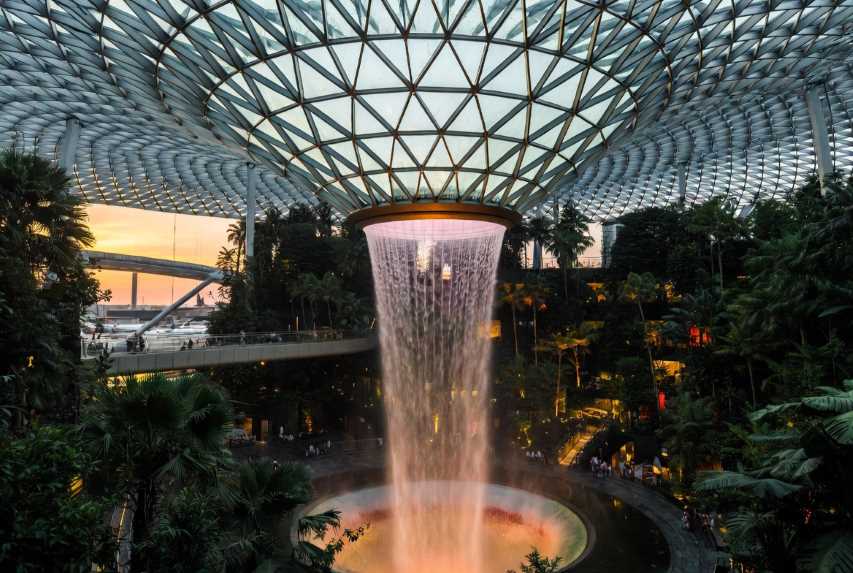
What truly sets Changi apart is its commitment to wellness, nature, and entertainment within a high-capacity environment. The iconic Jewel Changi is the centerpiece: a stunning climate-controlled indoor forest featuring the world’s tallest indoor waterfall (the HSBC Rain Vortex), suspended walking trails, a hedge maze, sunflower garden, and canopy park. Passengers can relax amid lush greenery, watch light shows, or simply recharge after long flights. Multiple terminals (connected by efficient people movers and walkways) offer everything from a butterfly garden and art installations to a cinema, gym facilities, and even a hotel for weary travelers.
Dining and shopping are exceptional, with hundreds of outlets ranging from local Singaporean hawker-style favorites to international fine dining and luxury brands. The airport excels in practical touches too: free city tours for passengers with long layovers, excellent family facilities, outstanding accessibility, and highly efficient immigration and baggage processes. Staff are consistently praised for their warmth and professionalism.
Changi’s repeated #1 ranking stems from its rare ability to balance massive scale with human comfort. Expansions continue, with capacity already approaching 90 million passengers annually and ambitious future phases planned. For transit passengers, Changi turns a layover into something to look forward to rather than endure.
Traveler Tip: If you have 4+ hours between flights, head straight to Jewel. The combination of nature, retail therapy, and excellent food makes time fly — literally.
Seoul Incheon International Airport (ICN) – #2
Incheon International Airport, built on a man-made island in the Yellow Sea, represents South Korea’s dedication to blending advanced technology with serene beauty and cultural pride. It serves over 70 million passengers annually in recent years and has earned a 5-Star Skytrax rating across multiple categories.
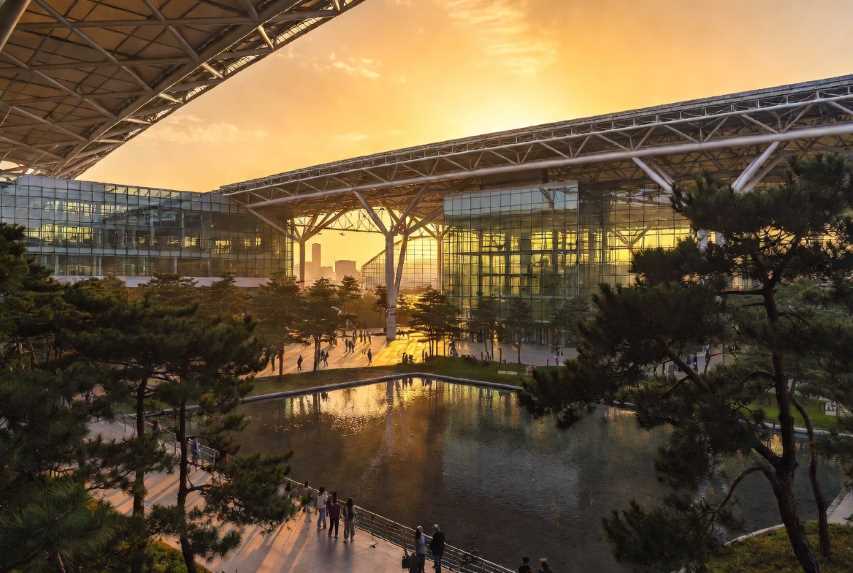
The architectural highlight is the breathtaking Millennium Hall in Terminal 1 — a soaring four-story space centered around a tranquil reflection pond surrounded by towering native pine trees. Glass elevators evoke waterfalls, creating a calming first impression. Beyond the striking design, Incheon offers cultural immersion through its Museum of Korean Culture, indoor gardens, and thoughtful public art. Additional amenities include spas, relaxation zones, diverse dining (from Korean street food to upscale international cuisine), and high-end shopping.
Technology enhances every step: automated immigration gates, smart baggage systems, digital kiosks, and seamless connectivity between terminals. The airport maintains exceptional cleanliness and staff service standards while providing family-friendly facilities, excellent lounges, and strong accessibility features. Ongoing expansions (including future runways and terminals) aim to push capacity well beyond current levels, ensuring it remains a premier Asian gateway.
Incheon consistently ranks near the top because it feels both futuristic and deeply human. Passengers frequently highlight how the combination of efficiency and peaceful spaces reduces travel stress dramatically.
Traveler Tip: For a unique experience, explore the cultural exhibits and then enjoy a meal with a view of the reflection pond — it’s one of the most photogenic and relaxing airport spaces in the world.
Tokyo Haneda Airport (HND) – #3
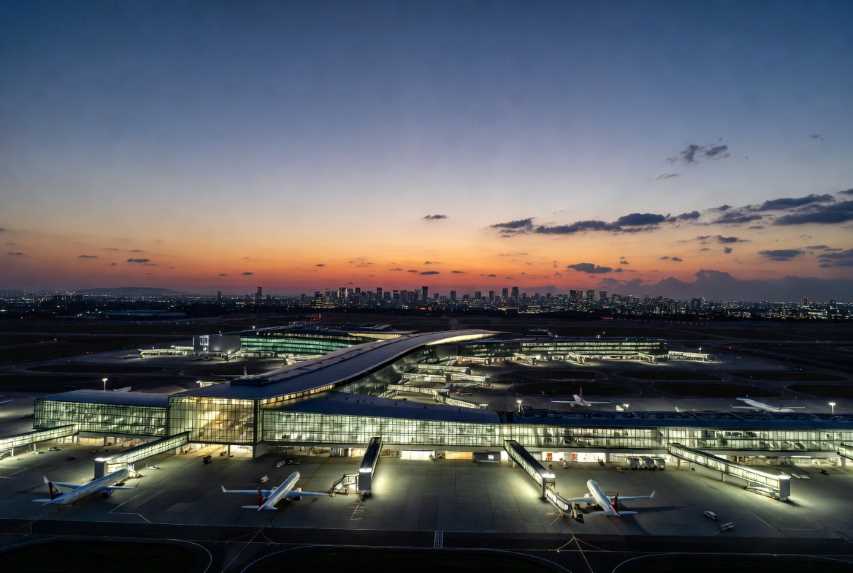
Tokyo’s Haneda Airport proves that even one of the world’s busiest airports (handling approximately 91.7 million passengers in 2025) can deliver an intimate, highly refined experience. Located remarkably close to central Tokyo, it combines Japanese precision, hospitality, and modern innovation.
Haneda has been named the World’s Cleanest Airport multiple times, including in 2026, and holds a 5-Star Skytrax rating for the 11th consecutive year. It also excels in accessibility, winning repeated awards for passengers with reduced mobility. The terminals feel spotless, calm, and intuitively designed. Terminal 3 (international) features excellent Japanese dining options, from casual ramen and sushi to more refined experiences, alongside strong shopping focused on quality souvenirs, cosmetics, and electronics.
What stands out most is the service culture. Staff embody omotenashi (wholehearted hospitality), making every interaction feel personal and attentive. The airport masterfully balances domestic and international operations while maintaining exceptional on-time performance and passenger flow. Recent enhancements have further elevated dining variety and relaxation areas.
Haneda’s high ranking reflects its ability to make massive-scale operations feel effortless and welcoming. Many travelers describe it as the airport that best combines efficiency with genuine care.
Traveler Tip: Arrive early if possible and sample the excellent food options — the quality and presentation rival many city restaurants. The proximity to Tokyo also makes same-day city visits very feasible on longer layovers.
Hong Kong International Airport (HKG) – #4
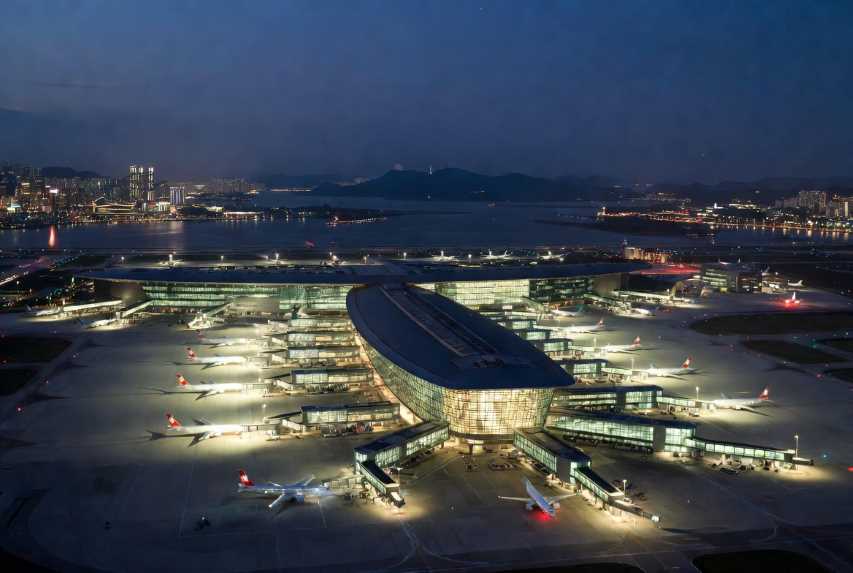
Hong Kong International Airport on Chek Lap Kok Island combines strategic location, modern infrastructure, and reliable service. It handled 61 million passengers in 2025, with strong growth continuing as travel recovered.
The airport’s design emphasizes efficiency and passenger comfort across its terminals and midfield concourse. Automated check-in, e-gates, and high-speed free Wi-Fi contribute to smooth journeys. Shopping and dining reflect Hong Kong’s cosmopolitan character, with strong options for both quick meals and sit-down experiences featuring international and local flavors.
A major expansion program, including a new passenger terminal, aims to significantly increase capacity toward 100 million passengers. The airport maintains excellent connectivity as a Cathay Pacific hub and offers good facilities for families and transit passengers. Its consistent top-10 performance comes from reliable operations, strong staff service, and a polished overall experience.
Traveler Tip: Use the efficient transport links into the city if you have time — Hong Kong’s attractions are easily accessible, making HKG a convenient gateway for both business and leisure travelers.
Tokyo Narita International Airport (NRT) – #5
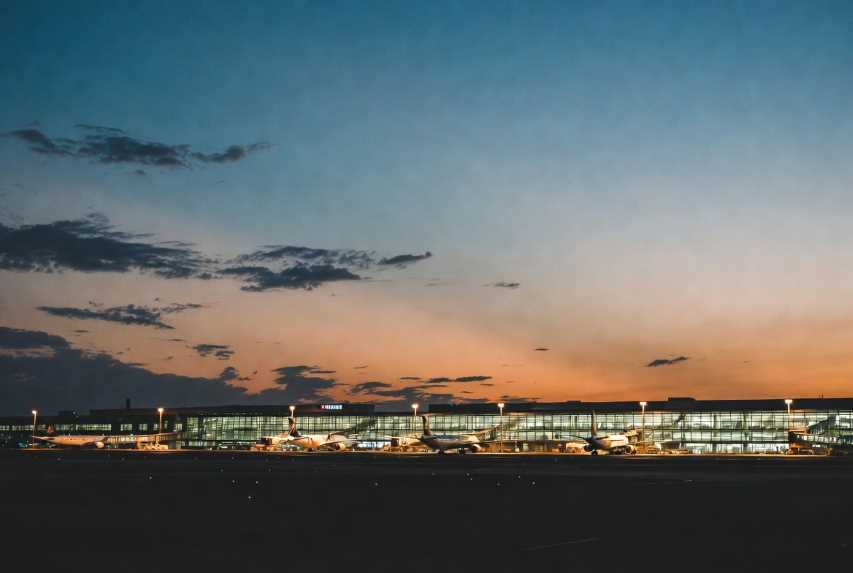
Narita serves as Tokyo’s primary long-haul international gateway and has steadily climbed the rankings through consistent improvements in facilities and passenger experience. It offers a more spacious, relaxed feel compared to Haneda while delivering excellent international connectivity.
The airport features strong duty-free shopping with a focus on Japanese products, cosmetics, and souvenirs, alongside diverse dining options that include both quick bites and quality sit-down restaurants. Terminals are well-organized with clear signage, comfortable seating areas, and good accessibility. Cultural elements and Japanese hospitality are evident throughout.
Narita’s rise reflects ongoing investments in comfort, cleanliness, and service quality. Together with Haneda, it gives Tokyo one of the world’s strongest airport systems.
Traveler Tip: Narita is ideal for passengers who prefer a calmer environment before or after long-haul flights. The shopping and dining options make it easy to pass time productively.
Paris Charles de Gaulle Airport (CDG) – #6
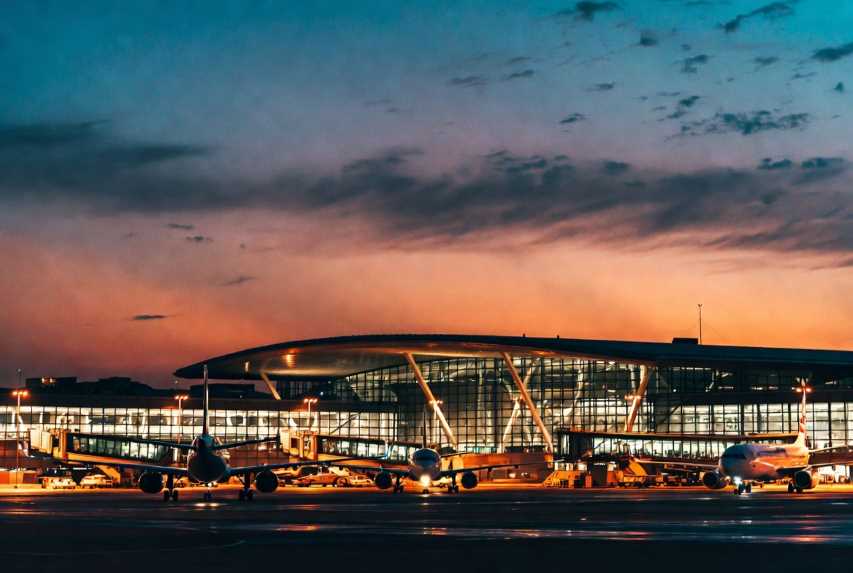
As France’s largest airport and a major European hub for Air France, CDG offers extensive connectivity across Europe, Africa, and beyond. Recent years have seen notable improvements in passenger facilities, wayfinding, and overall experience.
The airport features extensive shopping and dining, including excellent French culinary options and international brands. Art installations and design elements add cultural flavor. While large and busy, upgrades have enhanced comfort zones, lounges, and efficiency. Its top-10 placement recognizes both its global importance and ongoing efforts to elevate the passenger journey.
Traveler Tip: Allow extra time for connections due to the airport’s size, but take advantage of the strong dining scene — some outlets offer genuine Parisian quality.
Rome Fiumicino Airport (FCO) – #7
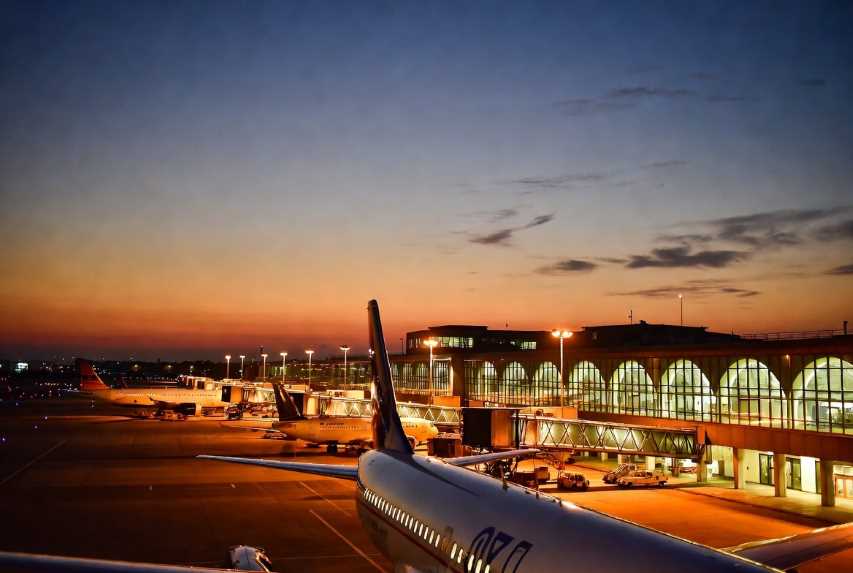
Leonardo da Vinci–Fiumicino Airport serves as Italy’s primary international gateway and the hub for ITA Airways. It has climbed the rankings thanks to improvements in facilities, service, and passenger flow.
Travelers appreciate the Italian flair in dining (with excellent local specialties) and shopping. The airport provides good connectivity to Rome and other Italian destinations. Recent enhancements have focused on comfort, cleanliness, and a more welcoming atmosphere, helping it earn its place among the world’s best.
Traveler Tip: Fiumicino offers a pleasant introduction to Italy — enjoy a proper espresso or meal before heading into the city.
Istanbul Airport (IST) – #8
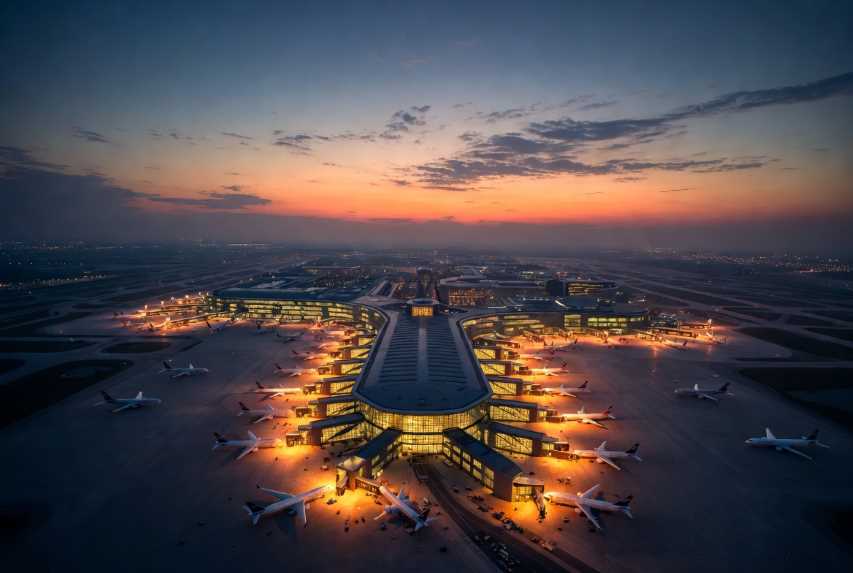
Istanbul’s modern mega-airport, opened in 2019, has rapidly established itself as one of the world’s most impressive aviation hubs. As the main base for Turkish Airlines, it offers outstanding connectivity between Europe, Asia, Africa, and the Middle East.
The vast terminal features one of the largest shopping and dining complexes of any airport, with hundreds of outlets and a strong emphasis on Turkish hospitality and products. The architecture is contemporary and functional, with excellent facilities for transit passengers. Its rapid rise in the Skytrax rankings reflects both its impressive infrastructure and consistent service improvements.
Traveler Tip: Istanbul Airport is perfect for long layovers — the scale and variety of retail and dining options can easily fill several hours comfortably.
Munich Airport (MUC) – #9
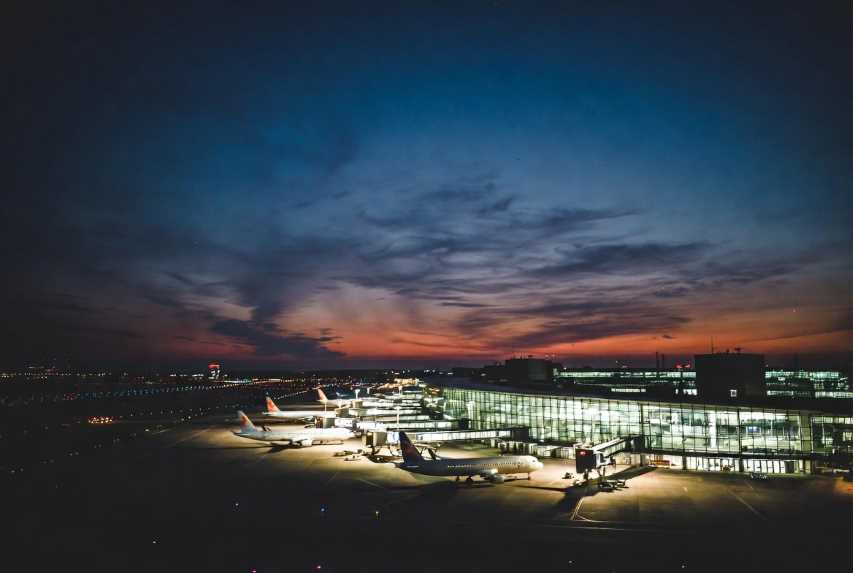
Munich Airport combines German efficiency with Bavarian warmth. As a major Lufthansa hub, it delivers reliable operations and a pleasant passenger experience that avoids feeling overwhelming despite its size.
The airport offers excellent dining (including Bavarian specialties), quality shopping, and high standards of cleanliness and service. Thoughtful design, good accessibility, and comfortable facilities contribute to strong passenger satisfaction. It consistently ranks highly because it feels both professional and welcoming.
Traveler Tip: Munich’s manageable scale makes it easy to enjoy a relaxed meal or quick retail therapy between flights.
Vancouver International Airport (YVR) – #10
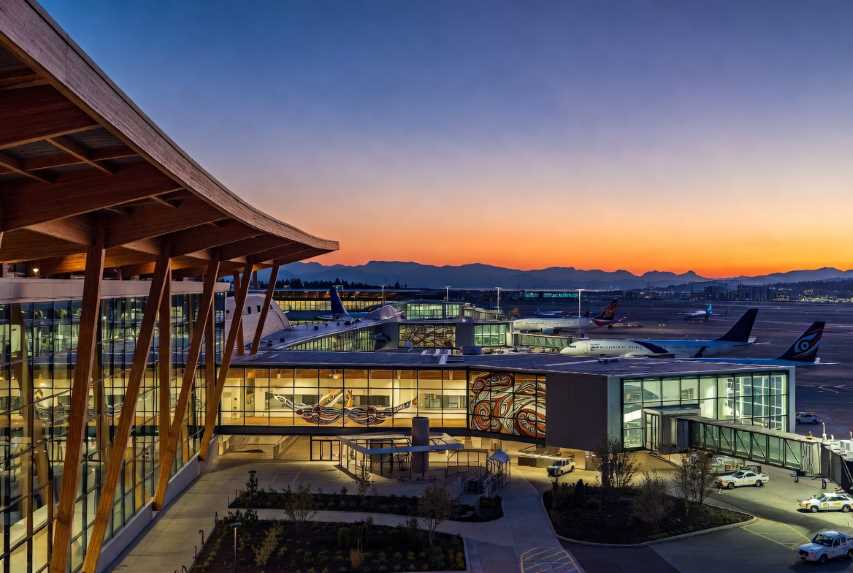
Vancouver International Airport stands out for its beautiful integration of art, nature, and culture. Stunning First Nations artwork and installations create a strong sense of place throughout the terminals.
The airport offers excellent facilities, friendly service, efficient operations, and a scenic Pacific Northwest setting. It serves as a major gateway to Canada and enjoys high marks for accessibility and overall passenger comfort. Its entry into the global top 10 reflects strong traveler appreciation for its distinctive character and smooth operations.
Traveler Tip: Take time to appreciate the indigenous art — it transforms the airport into a cultural experience rather than just a transit point.
What These Airports Teach Us About Excellence in 2026
The top 10 reveal clear patterns: heavy investment in design that reduces stress, seamless technology that enhances rather than replaces human service, diverse high-quality food and retail, and genuine attention to cleanliness and accessibility. Asian airports lead through scale combined with thoughtful amenities, while European and North American entries excel in charm, cultural identity, and refined efficiency.
These airports demonstrate that passenger experience is now a strategic priority, not an afterthought. Whether you’re enjoying Changi’s magical Jewel, Haneda’s impeccable cleanliness, or Istanbul’s vast modern terminal, the message is clear: the best airports don’t just move people — they care for them.
Traveling through any of these hubs in 2026 promises a noticeably smoother, more enjoyable journey. Safe travels, and may your next airport experience be one of the memorable ones on this list.
 |  |  |
 |  |  |