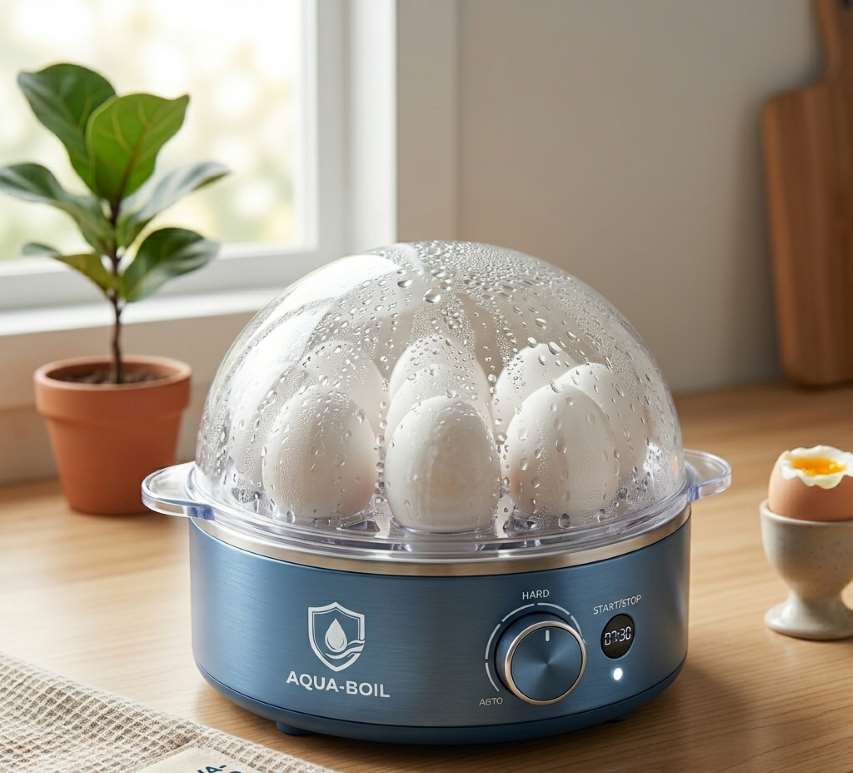
🤔 What is an Electric Egg Boiler?
An Electric Egg Boiler is a compact countertop appliance designed specifically for cooking eggs in their shells using steam. Unlike traditional stovetop methods that require constant monitoring, these devices automate the process, delivering consistently perfect eggs—whether you prefer them soft, medium, or hard-boiled—with the push of a button.
Think of it as a dedicated egg-cooking machine. It uses a small heating element to vaporize water, and the resulting steam cooks the eggs evenly from all sides. Most models also include a built-in poaching tray and omelet attachment, making them versatile tools for breakfast lovers.
🥚 How Does an Electric Egg Boiler Work?
The principle is elegantly simple: steam cooking. Here's the step-by-step process:
Add Water: You pour a measured amount of cold water into a heating plate. The water level determines the cooking time and therefore the yolk consistency (soft, medium, or hard).
Place Eggs: You place eggs (usually up to 7-14, depending on model) into a perforated egg tray or rack that sits above the water.
Cover and Switch On: You close the lid and press the power button. The heating plate begins to boil the water, creating steam.
Automatic Shut-Off: Once all the water has evaporated, the heating element automatically shuts off. A buzzer or light usually signals that the eggs are ready.
Cool and Enjoy: You remove the eggs and place them in cold water to stop the cooking process and make peeling easier.
The beauty of this system is that the amount of water directly controls the cooking time—more water for hard-boiled, less for soft-boiled. No timers, no guesswork.
✨ Key Benefits of Using an Electric Egg Boiler
Why invest in a single-purpose appliance? The advantages are compelling.
⏱️ Unmatched Consistency
Forget overcooked rubbery eggs or undercooked whites. Because the water volume precisely dictates steam duration, every batch turns out exactly the same. You can replicate your perfect soft-boiled egg morning after morning.
🔥 Speed and Efficiency
An electric egg boiler is remarkably fast. Most models cook eggs in 8 to 15 minutes, depending on your desired doneness. This is often faster than bringing a pot of water to a boil on the stove.
💡 Energy Efficient
Heating a small amount of water with a focused electric element consumes far less energy than heating a large pot of water on a stove burner. This makes it an eco-friendly and cost-effective option for daily use.
🙅 Hands-Off Operation
Once you press start, you can walk away. The automatic shut-off prevents overcooking, and the buzzer alerts you only when done. No more watching pots or setting separate timers.
🍽️ Versatility Beyond Boiling
Many electric egg boilers come with additional accessories:
Poaching Tray: Allows you to poach eggs without the swirling water vortex.
Omelet Bowl: Lets you steam a fluffy omelet alongside boiled eggs.
Egg Rack/Capacity: Some models can hold up to 14 eggs at once, perfect for meal prep or large families.
🧽 Easy to Clean
Most models have a non-stick heating plate and removable, dishwasher-safe components (egg tray, lid, poaching tray).
🧐 Types of Electric Egg Boilers
While the basic principle is similar, models vary in capacity, features, and design.
| Type / Feature | Description | Best For |
|---|---|---|
| Basic Capacity (7 eggs) | Standard models that cook up to 7 eggs at once. Simple controls (often a single switch). | Singles, couples, small families. |
| Large Capacity (14+ eggs) | Bigger units with two tiers or a larger tray. Can cook 14 eggs simultaneously. | Large families, meal preppers, batch cooking. |
| Auto Shut-off & Buzzer | Turns off when water evaporates and alerts you with a sound. | All users who want hands-off operation. |
| With Poaching Tray | Includes a tray for poaching 1-4 eggs. | People who enjoy poached eggs or Eggs Benedict. |
| With Omelet Bowl | Includes a small bowl to steam an omelet. | Those who want a quick, healthy omelet option. |
| Adjustable Doneness Control | Some models have a dial instead of water cup, automatically measuring water for soft/med/hard. | Users who want even less measuring. |
| Stainless Steel Heating Plate | More durable and easier to clean than some aluminum plates. | Anyone wanting longevity. |
🔑 Key Features to Look For
When shopping for an electric egg boiler, consider these specifications to ensure you get a model that suits your needs.
🥚 Capacity
7-egg models: Ideal for 1-3 people.
10-14 egg models: Better for 4+ people or if you like boiling eggs for the week.
Check actual capacity: Some models claim 14 eggs but require using two tiers; ensure it fits your counter height.
💧 Water Measuring Cup
A good egg boiler includes a dedicated measuring cup with markings for soft (runny yolk), medium (jammy yolk), and hard (fully set yolk). This takes all the guesswork out.
⚡ Auto Shut-Off and Indicator Lights
This is a critical safety and convenience feature. It prevents eggs from burning and saves energy. Look for a clear power light and an audible alert when done.
🧫 Poaching and Omelet Attachments
If you enjoy variety, ensure the model comes with a poaching tray and omelet bowl. Some brands (like Elite Gourmet and Dasmar) are known for including these extras.
🔌 Power and Wattage
Most egg boilers operate between 300-400 watts. This is sufficient to boil water quickly without tripping breakers. Higher wattage means slightly faster cooking, but the difference is minimal.
🧼 Ease of Cleaning
Non-stick heating plate: Prevents egg residue from sticking if an egg cracks.
Removable, dishwasher-safe parts: The egg tray, lid, and accessories should be top-rack dishwasher safe.
Cord storage: Helps keep the counter tidy.
🛡️ Safety Features
Cool-touch handle: On the lid for safe opening.
Boil-dry protection: Auto shut-off when water is gone (most have this).
Stable base: Non-slip feet to prevent tipping.
📏 How to Use an Electric Egg Boiler (Step-by-Step)
Using an egg boiler is straightforward, but following these steps ensures best results.
Prepare Eggs: Use eggs that are at room temperature if possible (cold eggs may crack). Pierce a tiny hole in the larger end of each egg with the included pin (if provided) to prevent cracking during cooking.
Add Water: Fill the measuring cup to the desired line (soft, medium, hard). Pour the water onto the heating plate.
Place Eggs: Set the egg tray/rack over the heating plate. Place eggs in the tray with the pierced end facing up (or as per manufacturer's instruction).
Cover and Power On: Close the lid securely. Plug in the device and press the power switch. The indicator light will turn on.
Wait for the Buzzer: When the water has completely evaporated, the unit will shut off and beep or click. Do not open the lid during cooking—steam is very hot.
Cool Eggs Immediately: Remove the eggs with care (using the lid's cool-touch handle or tongs) and place them in a bowl of ice water or run under cold tap water for a minute. This stops cooking and makes peeling easier.
Clean Up: Wipe the heating plate with a damp cloth once it has cooled. Wash the tray, lid, and accessories.
🍽️ Perfect Egg Results: Water Amount Guide
While each boiler's measuring cup has markings, here's a general guide per egg:
| Doneness | Water Amount (approx.) | Yolk Result | Common Use |
|---|---|---|---|
| Soft Boiled | 15-20 ml | Runny, liquid yolk | Breakfast with toast soldiers |
| Medium Boiled | 25-30 ml | Jammy, slightly translucent yolk | Ramen eggs, salads |
| Hard Boiled | 40-50 ml | Fully set, crumbly yolk | Egg salad, deviled eggs, snacks |
Note: Always use the measuring cup that comes with your boiler, as heating element efficiency varies.
🧼 Cleaning and Maintenance Tips
To keep your egg boiler in top condition:
Unplug and Cool: Always unplug and let the device cool completely before cleaning.
Wipe Heating Plate: Use a soft, damp cloth to wipe the non-stick heating plate. Avoid abrasive sponges or metal utensils that can scratch the coating.
Wash Removable Parts: Wash the egg tray, lid, poaching tray, and omelet bowl with warm soapy water or place them in the dishwasher (top rack).
Remove Mineral Deposits (Descaling): Over time, hard water minerals may leave white residue on the heating plate. To descale: mix equal parts white vinegar and water, pour into the boiler, let sit for 10-15 minutes, then run a short cycle (without eggs). Rinse thoroughly with clean water.
Dry Thoroughly: Ensure all parts are completely dry before storing to prevent mold or odors.
🏠 Top Electric Egg Boiler Examples (Popular Models)
| Brand / Model | Capacity | Key Features | Best For |
|---|---|---|---|
| Elite Gourmet EGC007 | 7 eggs | Poaching tray, omelet bowl, auto shut-off, measuring cup. | Everyday family use. |
| Dash Deluxe Egg Cooker | 12 eggs | Stainless steel heating plate, poaching tray, omelet bowl, auto shut-off. | Larger families, meal prep. |
| Chefman 14-egg Cooker | 14 eggs | Two tiers, poaching tray, omelet bowl, cord storage. | Batch cooking, parties. |
| Hamilton Beach 7-egg | 7 eggs | Compact design, auto shut-off, includes poaching tray. | Singles, small kitchens. |
| Gevi 14-egg Cooker | 14 eggs | Adjustable doneness dial, stainless steel plate, large capacity. | Precise control, frequent use. |
⚠️ Safety Precautions
Never open the lid while cooking: Escaping steam can cause severe burns.
Use on a stable, heat-resistant surface: Avoid placing near the edge of the counter.
Do not immerse the base in water: The heating element is electrical; wipe only with a damp cloth.
Keep out of reach of children: The appliance becomes very hot during operation.
Inspect the cord regularly: Do not use if the power cord is frayed or damaged.
An Electric Egg Boiler is a small appliance that delivers big convenience. For anyone who eats eggs regularly—whether soft-boiled for breakfast, hard-boiled for salads, or poached for brunch—this device eliminates inconsistency and hassle. With automatic shut-off, versatile attachments, and quick cooking times, it's an affordable kitchen helper that truly earns its place on the counter. Perfect eggs every time, with zero guesswork: that's the promise of the electric egg boiler.
 |  |  |
 |  |  |