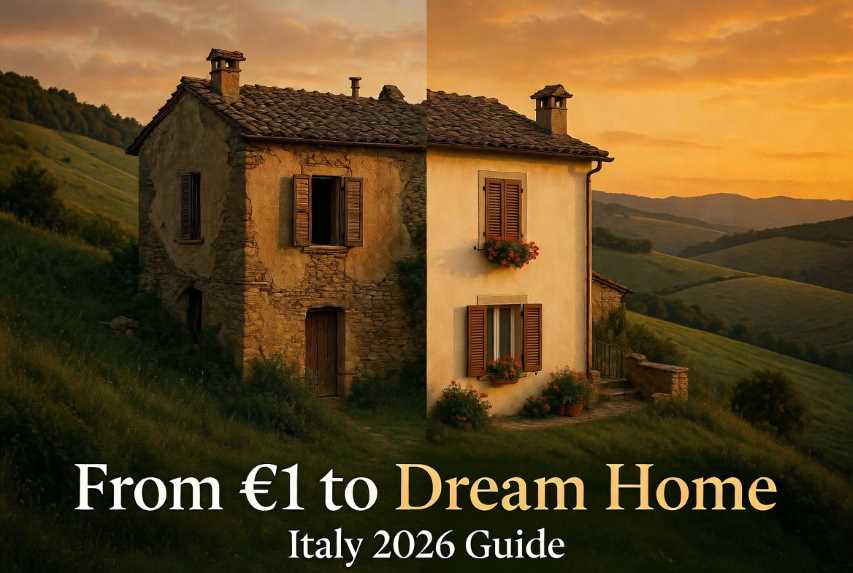
In an era defined by skyrocketing housing costs in major cities and the quiet emptying of Italy’s most picturesque rural communities, one initiative has captured global imagination more than any other. Italy’s famous “€1 Home” programs offer abandoned or dilapidated properties in historic villages for a symbolic single euro, provided buyers commit to restoring them. What started as a creative local solution to depopulation has grown into a nationwide phenomenon that continues to attract attention, foreign investment, and new residents well into 2026.
The programs address two interconnected challenges facing much of rural Italy: thousands of unused homes falling into disrepair and villages losing younger generations to urban centers or abroad. By turning neglected stone houses and historic buildings into opportunities for renewal, participating towns hope to preserve their cultural heritage, stimulate local economies, and reverse decades of demographic decline. As of mid-2026, the model remains active across dozens of municipalities, though it has evolved. Some towns have completed multiple rounds of sales, others have adjusted rules or starting prices, and new communities continue to launch their own versions. The core appeal endures: the chance to own a piece of authentic Italian village life at an entry price that seems almost too good to be true — but comes with very real responsibilities and costs.
The Depopulation Challenge Driving the Programs
Italy faces one of Europe’s most pronounced rural depopulation trends. Many small towns, particularly in Sicily, Sardinia, Calabria, and parts of the mainland south and center, have seen populations shrink dramatically over the past fifty years. Young people move to larger cities for education and jobs, older residents pass away, and homes are left empty. The result is “ghost villages” where once-vibrant streets stand silent, local shops close, schools struggle with low enrollment, and essential services become harder to maintain.
At the same time, Italy has millions of unused or underused residential properties nationwide. Many of these sits in historic centers with narrow streets, stone architecture, and centuries of character — buildings that are expensive to maintain but culturally priceless. The €1 Home programs emerged as a practical response: incentivize private buyers to take on renovation while giving municipalities a tool to bring properties back into productive use and attract new taxpayers and community members.
Origins and Evolution of the €1 Home Concept
The idea first appeared in 2008 in Salemi, a historic town in western Sicily. Then-mayor Vittorio Sgarbi, an art critic and television personality, proposed selling abandoned homes destroyed or damaged by the 1968 Belice earthquake for just one euro. The goal was to encourage reconstruction and repopulation in a community still recovering decades later. While the initial effort had limited immediate success, it planted a seed.
The concept exploded into international consciousness in 2019 when Sambuca di Sicilia launched its own program. Media coverage from major outlets turned the small hill town into a global sensation almost overnight. Applications flooded in from around the world. Other Sicilian towns quickly adopted similar schemes. Mussomeli became particularly well-known for the volume of sales and the diverse international community that formed. The model spread beyond Sicily to Sardinia, where dramatic landscapes appealed to nature-oriented buyers, and to regions such as Abruzzo, Campania, Calabria, and Basilicata. Even a handful of towns in northern and central Italy experimented with versions of the program.
By 2026, more than seventy towns across Italy have launched or participated in some form of €1 or low-cost home initiative at various points. While not every program remains open continuously — many operate in rounds or close once available properties are claimed — the overall movement has matured into a recognized strategy for rural revitalization. Some towns now start auctions at €2 or €3 rather than €1, offer “premium” properties with fewer renovation demands, or combine the scheme with additional incentives such as grants or tax benefits. The symbolic price remains the powerful hook that draws attention and serious inquiries.
How the €1 Home Programs Work in Practice
Although each municipality designs its own rules, the general structure follows a consistent pattern. Properties offered are typically privately owned buildings that owners have transferred to the local authority. Owners often do this to avoid ongoing property taxes, maintenance burdens, and potential liability for unsafe structures. The municipality then promotes the sale and oversees the process to ensure transparency and legality. The actual transfer happens between private parties, with the town acting as facilitator and guarantor of proper procedure.
Interested buyers usually express interest through official channels, sometimes completing application forms or participating in public auctions. In auction formats, bidding often starts at €1 but can rise depending on demand and the property’s location or condition. Once selected, buyers sign a preliminary agreement and pay a security deposit — commonly between €3,000 and €10,000 — that serves as a performance bond. This deposit is returned upon successful completion of the renovation project within the agreed timeframe.
Buyers must then develop and submit a detailed restoration plan, usually within twelve months of purchase. The plan outlines the scope of work, materials, timeline, and compliance with local building codes and historic preservation requirements. Most towns strictly prohibit demolition; the emphasis is on sensitive restoration that maintains the building’s original character, architectural features, and structural integrity. Seismic standards and energy-efficiency upgrades are often encouraged or required, especially in earthquake-prone regions.
Once the project receives approval, renovation work must begin within a specified period and reach completion within two to three years in most cases. Buyers are responsible for obtaining all necessary permits, hiring qualified professionals, and covering every cost associated with the transformation. Failure to meet deadlines typically results in forfeiture of the security deposit and, in some instances, additional penalties or the requirement to sell the property back to the municipality.
The entire process requires a notary deed executed in Italy. Foreign buyers are strongly advised to work with a local notary and, if language is a barrier, an interpreter. Ownership is fully transferred, meaning the buyer assumes all rights and responsibilities of property ownership, including future tax obligations.
Variations exist between towns. Some prioritize applications from families or projects that will create tourism-related businesses such as bed-and-breakfasts. Others focus on bringing younger residents or digital professionals. A few towns have introduced additional requirements, such as maintaining primary residence in the property for a minimum number of years or contributing to community initiatives. Because rules differ, prospective buyers must carefully review the specific public notice issued by each commune.
The True Financial Picture: What Buyers Actually Spend
The €1 price is deliberately eye-catching, but it represents only the symbolic entry point. In reality, the largest expenses come from renovation, professional fees, and ongoing ownership costs. Understanding the full financial commitment is essential for anyone considering participation.
Legal and administrative costs typically range from €3,500 to €10,000. This covers notary fees, registration taxes, transfer duties, and any required translations or certifications. The security deposit adds another €3,000 to €10,000 that is held until the project is finished satisfactorily.
Renovation represents the biggest variable. A small, relatively straightforward property might require €20,000 to €30,000 in work. Larger homes or those with significant structural issues — common in older village buildings — can easily demand €50,000 to €100,000 or more. Typical renovation needs include roof repairs or replacement, foundation stabilization, damp-proofing, updated electrical and plumbing systems, new windows and doors for energy efficiency, bathroom and kitchen modernization, and interior finishes. In seismic zones, additional reinforcement work is often mandatory.
Professional services add further expense. Most buyers engage a local geometra (a technical surveyor and project manager) to handle design, permitting, and oversight. Architect fees, engineering studies, and project management can total €5,000 to €10,000 depending on complexity. Some buyers also hire lawyers to review contracts and navigate bureaucracy.
After completion, owners face annual property taxes (IMU), utility connections and consumption, insurance, and routine maintenance. These ongoing costs vary by property size and location but commonly amount to €1,500 to €2,500 per year or more.
Some municipalities offset part of the burden with incentives. Certain towns offer direct grants or reimbursements upon completion of approved work. National Italian tax incentives for energy-efficient renovations, seismic improvements, and building restoration can provide significant deductions when properly documented and claimed. Buyers should investigate both local and national benefits early in the planning process.
Realistic total initial investment for most participants falls between €40,000 and €80,000 or higher, depending on the property and scope of work. Those who successfully convert their homes into holiday rentals or bed-and-breakfasts sometimes report recovering a substantial portion of their investment within five to eight years through seasonal income, though this depends heavily on location, marketing, and management.
Profiles of Notable Towns Participating in 2026
Sicily continues to host the most visible and active programs. Sambuca di Sicilia, the town that ignited global interest, features narrow Arab-influenced streets, hillside views, and proximity to vineyards and archaeological sites. Its program attracted numerous foreign buyers who have restored properties and contributed to a lively international atmosphere. While many homes from earlier rounds have been claimed, the town periodically announces new opportunities.
Mussomeli, located in central Sicily, stands out for the sheer number of properties it has placed on the market and the diverse community that has formed. The town’s historic center, castle ruins, and relatively affordable surrounding area have appealed especially to American, Australian, and northern European buyers. Many participants describe a welcoming environment and a growing sense of community among newcomers and long-term residents alike.
Troina, perched in the Nebrodi mountains, offers a cooler climate, panoramic views, and specific incentives aimed at retirees and those seeking a quieter pace. The town has combined its €1 or low-cost home offerings with support measures that make it particularly attractive for longer-term relocation.
Other Sicilian locations such as Gangi, known for its photogenic medieval layout, Bivona with its agricultural heritage, and Castiglione di Sicilia near Mount Etna’s slopes have also featured in recent rounds or maintain active interest lists.
Beyond Sicily, Sardinian towns like Ollolai have drawn buyers seeking dramatic natural landscapes and a strong sense of authentic community. In Abruzzo, Penne and Pratola Peligna appeal to those wanting easier access to the Adriatic coast or proximity to Rome. Calabria and Campania host several hill towns with programs focused on tourism potential and cultural preservation. Each location brings its own character, climate, accessibility, and set of local challenges and advantages.
Real Buyer Experiences and Success Stories
Many participants describe the journey as transformative, though rarely without difficulties. Foreign buyers frequently cite the emotional satisfaction of rescuing a historic building and becoming part of a small community’s revival. Some have opened successful bed-and-breakfasts or holiday rentals that generate income while providing a personal base in Italy. Others have relocated full-time, embracing a slower pace of life, local food traditions, and strong interpersonal connections that larger cities often lack.
One common theme among successful buyers is the decision to work closely with local professionals from the beginning. Those who invested time in building relationships with architects, builders, and municipal staff report smoother processes and better outcomes. Several participants have also formed informal networks, sharing experiences and recommendations across different towns.
Not every story ends in unqualified success. Some buyers underestimate the complexity of Italian bureaucracy or the physical demands and unexpected costs of renovating very old structures. Properties sometimes reveal hidden problems once work begins — unstable walls, outdated infrastructure, or the need for more extensive seismic upgrades than initially anticipated. Buyers who approach the project with patience, realistic budgeting, and a willingness to adapt generally fare better than those expecting a quick or inexpensive transformation.
Detailed Challenges and Potential Pitfalls
While the programs offer genuine opportunities, they also carry significant risks and demands that prospective buyers must weigh carefully. Italian administrative processes can move slowly, particularly when historic preservation rules apply. Obtaining permits, approvals, and inspections often takes longer than anticipated, extending overall timelines.
Finding reliable contractors in small, remote villages presents another frequent obstacle. Local tradespeople may be fully booked or unavailable, forcing buyers to bring teams from larger towns or cities. This increases both cost and logistical complexity. Material prices have risen in recent years, and supply chain issues can further delay projects.
Many of the properties offered require substantial structural intervention. Walls may need reinforcement, roofs complete replacement, and foundations stabilization. Older electrical and plumbing systems are rarely adequate for modern living standards. Energy efficiency upgrades, while beneficial long-term, add to initial expenses.
Cultural and practical adjustment can surprise newcomers. Village life moves at a different rhythm. Services such as healthcare, shopping, and entertainment are more limited than in cities. A car is almost always necessary. Language barriers can complicate daily interactions and official dealings, although many towns now have experience with international residents.
For non-European Union citizens, property purchase does not confer residency rights. Separate visa or permit processes must be pursued independently. Those considering full relocation should align their property plans with immigration requirements from the outset.
Finally, the security deposit creates real financial pressure to complete work on schedule. Buyers who encounter delays risk losing this money and potentially facing additional consequences.
Who Is Buying €1 Homes and Why
The buyer demographic has broadened over time. Early waves included many retirees and second-home seekers from North America, northern Europe, and Australia. More recently, younger families, remote workers, and lifestyle entrepreneurs have joined the mix. Some purchasers view the properties primarily as holiday homes or investment opportunities that can generate rental income. Others seek a genuine change of lifestyle or a base from which to explore Italy long-term.
Tourism potential plays a major role for many. Restored village homes in scenic locations can command strong nightly rates during peak seasons, especially when marketed through established platforms. Buyers who successfully navigate permitting for short-term rentals often find this income stream helps offset renovation and ownership costs.
Renovation Realities: What the Work Actually Involves
Restoration projects typically begin with thorough surveys and structural assessments. Common priorities include making the building safe and habitable while respecting its history. Roofs are frequently replaced or heavily repaired to stop water ingress. Walls may require repointing, insulation, or seismic retrofitting. Windows and doors are often upgraded for thermal performance and security. Interiors are reconfigured for modern living — combining traditional elements with contemporary comforts in kitchens, bathrooms, and living spaces.
Energy efficiency has become increasingly important. Many projects incorporate solar panels, improved insulation, efficient heating systems, and water-saving measures. These upgrades not only reduce long-term running costs but can also qualify for tax incentives.
Buyers are usually required to use qualified professionals and obtain necessary certifications at each stage. Working with a geometra who understands both technical requirements and local regulations significantly improves the chances of a successful, timely completion.
Economic and Social Ripple Effects
Where programs have succeeded, the benefits extend beyond individual property owners. New residents bring spending power that supports local shops, restaurants, and services. Some towns have seen the opening of new businesses catering to both residents and visitors. Tourism often increases as restored homes and the stories behind them attract attention. Community events and cultural initiatives sometimes gain new energy from the mix of long-term locals and newcomers.
On a broader scale, the programs contribute to Italy’s efforts to address rural decline and preserve its extraordinary built heritage. Every restored building represents a small victory against abandonment and decay. While the model is not a complete solution to depopulation, it has proven effective at generating visibility, investment, and hope in participating communities.
The Future of the €1 Home Model
As of 2026, the programs show no signs of disappearing. Instead, they continue to adapt. Some towns have refined their offerings based on earlier experiences, introducing clearer guidelines, better support for buyers, or hybrid models that combine low purchase prices with higher-quality or partially renovated stock. Others explore complementary incentives such as business grants or co-working spaces to attract remote professionals.
National and regional policies addressing depopulation and housing may further shape how these local initiatives develop. Interest from international buyers remains strong, fueled by media coverage and word-of-mouth success stories. At the same time, growing awareness of the real costs and commitments involved helps ensure that those who proceed do so with clearer expectations.
A Practical Checklist for Anyone Considering Participation
Research multiple towns thoroughly and compare their specific rules, available properties, and local conditions.
Visit candidate locations in person, ideally at different times of year, to assess climate, accessibility, and community atmosphere.
Engage qualified local professionals — notary, geometra, and potentially a lawyer — before making commitments.
Develop a detailed budget that includes contingencies for unexpected renovation needs and delays.
Clarify your personal goals: holiday home, rental investment, full relocation, or lifestyle change.
Investigate all available incentives, tax benefits, and support programs at both local and national levels.
Understand immigration and residency requirements if you are not an EU citizen.
Prepare for a multi-year process that demands patience, flexibility, and ongoing involvement.
More Than a Bargain
Italy’s €1 Home programs represent far more than an unusually cheap way to acquire property. They embody a creative, community-driven response to real demographic and cultural challenges. For those with the vision, resources, and perseverance to undertake sensitive restoration, they offer a rare opportunity to own a historic home in a beautiful setting while contributing to the living future of a village.
The journey is rarely simple or inexpensive once renovation begins. Success depends on realistic expectations, careful planning, strong local partnerships, and genuine appreciation for the rhythms of rural Italian life. Yet for the right individuals and families, the reward — a restored piece of heritage, a new community, and the satisfaction of helping preserve something meaningful — can be profoundly worthwhile.
As Italy continues navigating the balance between tradition and renewal, these programs stand as one of the most visible and hopeful experiments in rural revitalization. Whether you dream of restoring a stone house overlooking vineyards, contributing to a mountain village’s revival, or simply exploring an unconventional path to Italian property ownership, the €1 Home initiatives remain an invitation worth serious consideration in 2026 and beyond.
The story of these programs is still being written, house by house, town by town. For those ready to become part of that story, the door — quite literally — remains open.
![Aecooly Slim Portable Fan, Thin Handheld Fan, USB Rechargeable Mini Personal [24H Max Cooling Time], Battery Powered Small...](https://m.media-amazon.com/images/I/61-gWIgUjpL._AC_UL320_.jpg) |  |  |
 |  |  |